
Inclusive Therapy for Kink and ENM Relationships: What It Actually Looks Like

Updated: Jun 9

Have you ever spent your first three therapy sessions explaining what polyamory is?
If you have, you know the feeling. You came in to work on something real, a rupture with a partner, a shame spiral you can't shake, a conflict that keeps repeating. Instead, you found yourself giving a vocabulary lesson. Defining metamour. Clarifying that no, this isn't cheating. Watching your therapist's face for the flicker that tells you they're quietly concerned about your "lifestyle."
That's not therapy. That's unpaid education work, and you're the one footing the bill.
For people in kink and ethically non-monogamous (ENM) relationships, this experience is so common that many of you have stopped looking for support altogether. You've decided it's easier to white-knuckle it than to risk another therapist treating your relationship structure as the problem.
Inclusive therapy isn't about a therapist tolerating how you live and love. It's about never having to justify it in the first place, so the real work can start on day one.
Table of Contents
What "Inclusive" Actually Means in the Therapy Room
A lot of therapists describe themselves as open minded. That's a low bar. Open minded usually means they won't visibly flinch, but you'll still be the one carrying the weight of explanation, and your kink or your relationship structure will hover in the room as a question mark.
Truly inclusive therapy is different. Your therapist already knows the difference between polyamory, an open relationship, and relationship anarchy. They understand power exchange dynamics, negotiated consent, and aftercare without needing a primer. When you say D/s, they don't pause to Google it after the session.
More importantly, they hold your identities as facts about you, not symptoms. Your kink is not a trauma response to be excavated. Your non-monogamy is not avoidance of intimacy. Those framings cause real harm, and they're exactly why specialized care matters.
Why a Well Meaning Generalist Isn't Enough
Most therapists receive little to no training on kink or ENM. None of that is malice. It's a gap in clinical education, but the result for you is the same: a therapist who unintentionally pathologizes you, suggests your relationship structure might be "the root issue," or simply can't go where you need to go.
I've heard versions of this from so many clients. A previous therapist who spent months trying to figure out why they were kinky instead of helping them communicate within their dynamic. A couples therapist who treated a metamour as a threat to be managed rather than a person in the system. A clinician who responded to a disclosure with "and how does that make you feel?" in a tone that made the answer obvious.
When you don't have to brace for that, something shifts. You stop performing. You stop editing. And the actual work gets room to breathe.
The Work We Actually Get to Do
Once your relationship style is settled context instead of the topic, sessions can go where they need to go. With kink and ENM clients, that often looks like:
Untangling jealousy and insecurity without anyone suggesting the structure itself is to blame
Building agreements that are explicit, negotiated, and revisitable instead of assumed
Working through internalized shame from a culture that pathologizes both kink and non-monogamy
Repairing trust after a rupture, whether that's a broken agreement or a slow drift
Navigating disclosure: to new partners, to family, sometimes to yourself
Notice what's not on that list: convincing you to be monogamous, vanilla, or smaller. That's never the goal here.
If You're Neurodivergent
Many of my clients live at the intersection of all of this: neurodivergent, kinky, non-monogamous, or some combination. That's not a coincidence. Relationship structures built on explicit agreements and direct communication often fit brains that find unspoken social rules exhausting.
But it also means you may be carrying shame in more than one direction at once, and you deserve a therapist who doesn't ask you to mask in session, who adapts to how you communicate, and who understands rejection sensitivity, sensory overwhelm, and emotional intensity as part of the picture rather than distractions from it.
How to Vet a Therapist Before You Book
You shouldn't have to gamble a first session to find out whether someone is actually affirming. Here's the process I'd recommend to anyone searching:
Read their website like a detective. Affirming therapists name it. Look for the words kink, BDSM, ENM, or polyamory spelled out on their specialty pages, not vague language like "alternative lifestyles."
Check affirming directories. The Kink Aware Professionals directory at kapdirectory.com lists clinicians who have explicitly identified as kink knowledgeable. It's a strong starting filter.
Ask the direct question. Before booking, email and ask: "Have you worked with clients in kink or ENM relationships, and what's your approach?" An affirming therapist will answer plainly and won't be offended that you asked.
Trust the first session. If you feel yourself shrinking, explaining, or managing their reactions, that's data. Fit matters more than credentials, and you're allowed to keep looking.
Therapy That Already Speaks Your Language
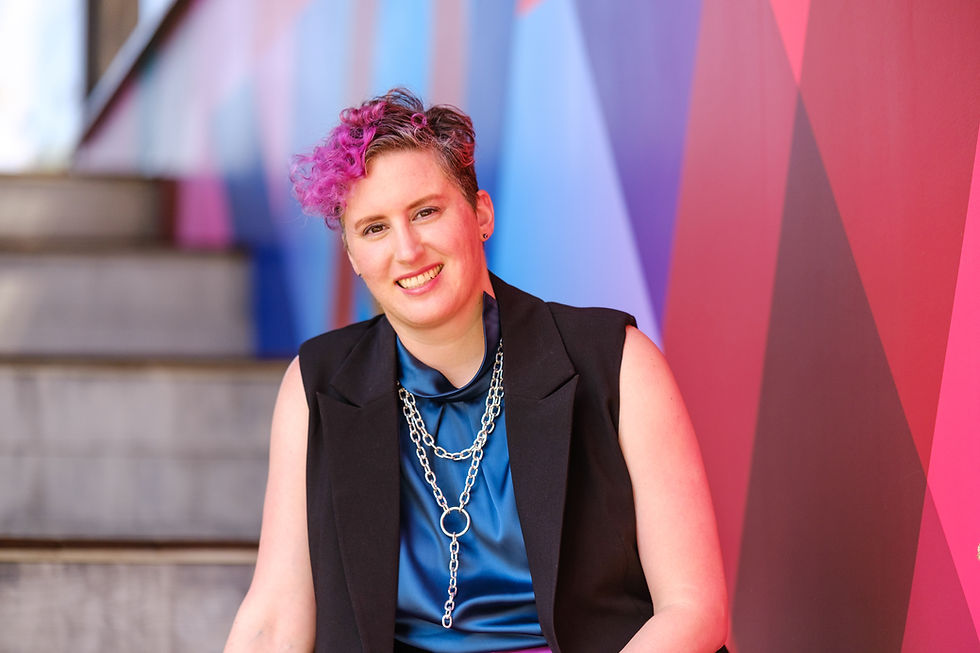
I'm Maya, an LMFT working with adults throughout California, including the San Francisco Bay Area and Los Angeles. Kink and BDSM dynamics, ENM and polyamory, and neurodivergent adults aren't side notes in my practice. They're the center of it, informed by both clinical training and lived familiarity with these communities.
You won't spend our first session defining terms. You'll spend it doing the work you came for.

Your relationships, your identity, and your sexuality are valid. Finding the right support can make all the difference.
This post is for informational purposes only and does not replace professional medical or mental health advice.


Comments